
Sleep Apnoea and Atrial Fibrillation: How Your Breathing at Night Affects Your Heart
When we think about sleep apnoea, we often think of snoring or feeling tired the next day. But sleep apnoea isn’t just about poor sleep — it can also put extra strain on your heart.
One of the strongest links doctors have discovered is between sleep apnoea and atrial fibrillation (AF) — an irregular heart rhythm that can cause palpitations, shortness of breath, or an increased risk of stroke.
Here’s how the two conditions are connected, and what you can do to protect your heart and sleep.
What Is Atrial Fibrillation (AF)?
Atrial fibrillation (AF) happens when the top chambers of the heart (the atria) beat in a fast, irregular way. This can cause:
A fluttering or “racing” heartbeat
Shortness of breath or tiredness
Light-headedness or chest discomfort
AF can come and go, or it can be ongoing. Over time, it can increase the risk of blood clots and stroke.
How Sleep Apnoea Affects the Heart
In obstructive sleep apnoea (OSA), the airway repeatedly collapses during sleep. Each time that happens:
Breathing stops for a few seconds
Oxygen levels drop
The brain wakes you briefly to restart breathing
These events can happen dozens of times every hour, putting your body under stress all night long.
When this happens night after night, your heart is constantly working harder — and that’s where the trouble starts.
The Link Between Sleep Apnoea and AF
Research has shown that people with sleep apnoea are much more likely to have atrial fibrillation.In fact, studies suggest that up to half of people with AF also have sleep apnoea — often without knowing it.
Sleep apnoea affects the heart in several ways:
Low oxygen levels during the night stress the heart muscle.
Sudden changes in pressure inside the chest make the heart stretch and strain.
Adrenaline surges from repeated awakenings increase heart rate and blood pressure.
Ongoing inflammation may cause scarring in the heart’s electrical system.
All of this can make it easier for AF to start — and harder for it to go away.
Why Treating Sleep Apnoea Matters in AF
If you have both AF and sleep apnoea, treating your sleep apnoea can make a real difference.
Studies show that people who use their CPAP machine regularly are less likely to have AF come back after treatments like cardioversion or ablation.
Even though CPAP isn’t a “cure” for AF, it can:
Reduce strain on the heart
Improve oxygen and blood pressure
Help rhythm-control treatments work better
Improve sleep quality and daytime energy
Think of CPAP as part of your heart-care plan — not just a sleep aid.
How to Know if You Might Have Sleep Apnoea
You might have sleep apnoea if you:
Snore loudly or gasp for air at night
Feel tired or foggy even after a full night’s sleep
Have morning headaches or dry mouth
Have high blood pressure or AF that’s hard to control
Even if you don’t feel sleepy during the day, you can still have sleep apnoea. Many people with AF have “quiet” sleep apnoea and don’t realise it until they have a sleep study.
What You Can Do
If you’ve been diagnosed with AF:
Ask your doctor about a sleep study. Detecting sleep apnoea early can make a big difference.
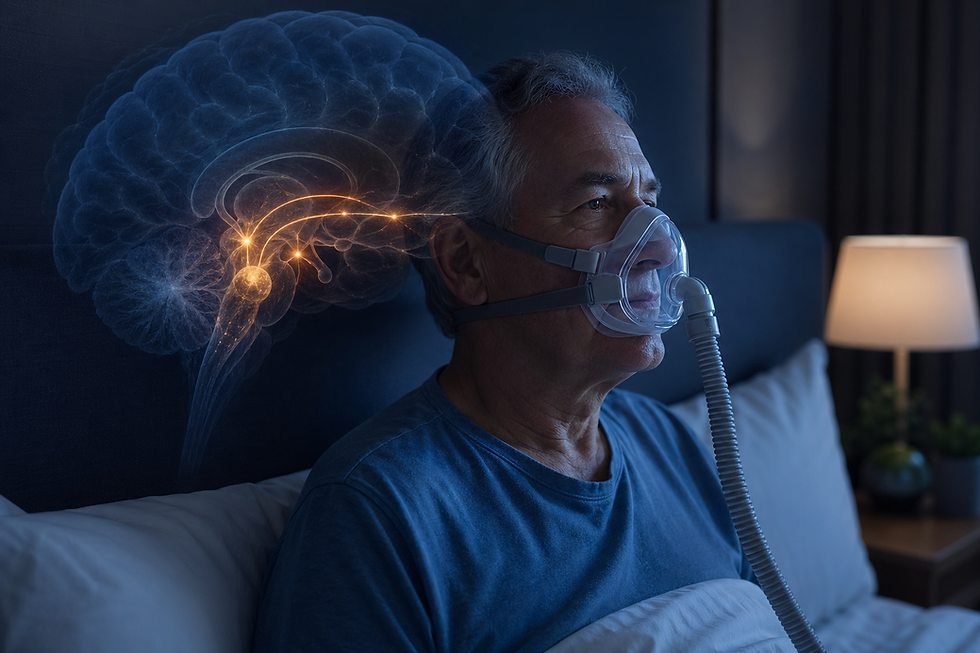
Treat your sleep apnoea. Use your CPAP machine every night — it helps protect both your brain and your heart.
Take care of your lifestyle: maintain a healthy weight, stay active, avoid too much alcohol, and keep blood pressure under control.
If you already use CPAP, make sure your mask fits well and your treatment is comfortable.
The Takeaway
Sleep apnoea and atrial fibrillation often go hand in hand. The good news? Treating your sleep apnoea with CPAP can ease the burden on your heart and help you stay healthier in the long run.
Good sleep doesn’t just help you feel rested — it helps your heart stay in rhythm.


Comments