
What Is Sleep Apnoea? Signs, Symptoms, and Treatment Options
- chenglong83
- Aug 17, 2025
- 3 min read
Updated: Sep 4, 2025
Sleep apnoea is one of the most common sleep disorders in Australia, yet many people remain undiagnosed. If left untreated, it can significantly affect your health, energy, and quality of life. The good news? With the right diagnosis and treatment, most people can sleep soundly again.
In this article, we’ll cover what sleep apnoea is, the common signs and symptoms, and the treatment options available — including CPAP therapy, the gold standard for managing obstructive sleep apnoea.
What Is Sleep Apnoea?
Sleep apnoea is a condition where your breathing repeatedly stops and starts while you sleep. These pauses can last from a few seconds up to a minute, reducing oxygen levels and interrupting normal sleep cycles.
The most common type is obstructive sleep apnoea (OSA), caused by the airway collapsing or becoming blocked during sleep. Less common types include central sleep apnoea and complex sleep apnoea.
Signs and Symptoms of Sleep Apnoea
Because symptoms often occur at night, many people don’t realise they have sleep apnoea until a partner notices. Here are the most common warning signs:
Loud, chronic snoring
Pauses in breathing (often noticed by a bed partner)
Gasping or choking during sleep
Excessive daytime sleepiness
Morning headaches
Difficulty concentrating or memory problems
Mood changes such as irritability or low mood
Dry mouth on waking
👉 If you regularly feel tired despite a full night’s sleep, sleep apnoea could be the reason.
Why Sleep Apnoea Matters
Untreated sleep apnoea doesn’t just cause fatigue — it’s linked to serious long-term health issues, including:
High blood pressure
Heart disease and stroke
Type 2 diabetes
Increased risk of accidents (due to drowsiness)
That’s why getting assessed and treated is so important.
Diagnosis of Sleep Apnoea
A sleep study is the most reliable way to diagnose sleep apnoea. This can be done either in a hospital-based sleep lab or with a home sleep study kit (often more convenient and comfortable).
At Connect CPAP, we support patients through the process by providing therapy solutions once sleep apnoea is diagnosed.
Treatment Options for Sleep Apnoea
Treatment depends on the severity of your condition and personal needs. Options include:
1. Lifestyle Changes
Weight management
Reducing alcohol (especially before bed)
Sleeping on your side
2. Continuous Positive Airway Pressure (CPAP) Therapy
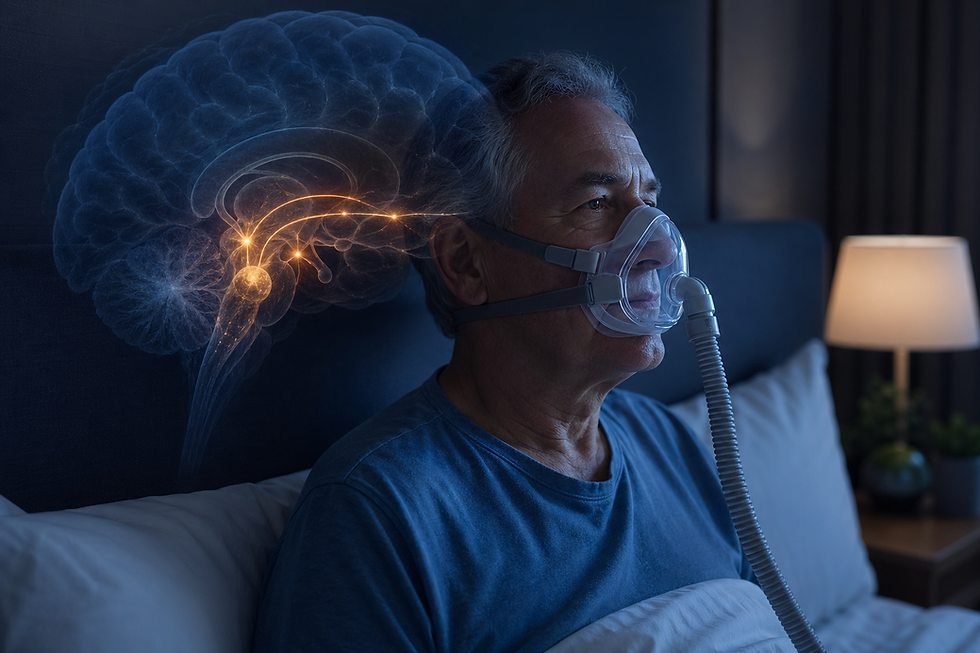
CPAP is the gold standard treatment for moderate to severe obstructive sleep apnoea. A CPAP machine delivers gentle, pressurised air through a mask to keep the airway open during sleep.
✅ Benefits include:
Better sleep quality
Reduced snoring
Improved energy and mood
Long-term protection for heart and overall health
(👉 Explore our CPAP Machines and CPAP Masks in our online shop.)
3. Mandibular Advancement Splints (MAS)
These dental devices move the lower jaw forward to help keep the airway open, often used in mild to moderate cases.
4. Surgery or Specialist Treatments
In rare cases, surgery or other interventions may be recommended.
Taking the Next Step
If you suspect sleep apnoea, don’t ignore the signs. Talk to your GP about arranging a sleep study. Once diagnosed, starting treatment such as CPAP can be life-changing.
At Connect CPAP, we specialise in helping Australians get started with CPAP therapy — from choosing the right machine and mask to ongoing support for better sleep.


Comments